Are Automatic Car Washes Bad for Your Car? What Actually Damages Paint

Automatic car washes aren’t automatically bad. But some types cause real damage — swirl marks, stripped wax, and dull clear coat — while others are genuinely low-risk when used correctly. This guide explains which wash types cause harm, when to avoid them entirely, and exactly how to protect your paint if convenience wins.
Quick Answer: Are Automatic Car Washes Bad for Your Car?
Not always. The answer depends on the wash type, how well the equipment is maintained, and what’s protecting your paint.
Older brush-style washes carry the highest risk. Soft-cloth systems are better but not perfect. Touchless washes reduce contact damage but often rely on stronger chemicals. A modern, well-maintained soft-cloth or touchless system used occasionally on a protected vehicle is unlikely to cause serious damage.
The real risk comes from frequency, dirty equipment, and unprotected paint. That’s what this guide helps you avoid.
How Automatic Car Washes Can Damage Your Car
This is where most car owners get it wrong. It’s not just one type of damage — it’s several happening at once.
Brush Abrasion and Micro-Scratches
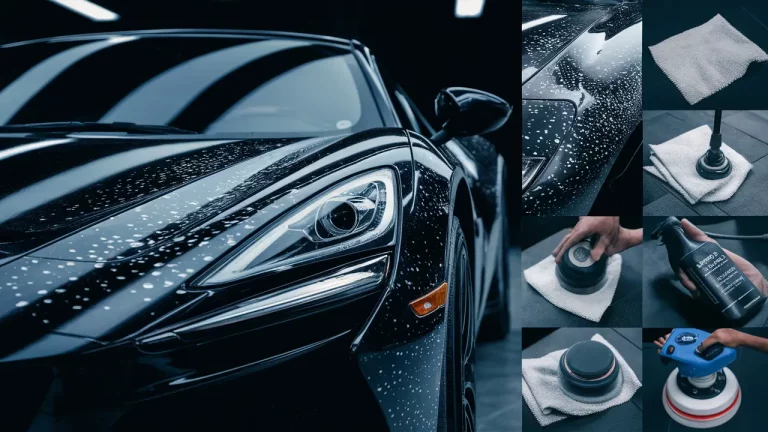
Old-style brush car washes use stiff rotating bristles that trap grit from previous vehicles. That trapped dirt drags across your clear coat like fine sandpaper. The result is swirl marks — those circular scratches visible in direct sunlight on dark-colored paint.
Swirl marks don’t appear after one wash. They accumulate. After 20 or 30 trips through a dirty brush system, the damage becomes hard to ignore without paint correction.
Chemical Stripping
Many automatic washes use alkaline detergents strong enough to cut through road grime fast. These same chemicals strip wax sealants and degrade polymer coatings over time. If you’ve recently applied a spray wax or paint sealant, a single aggressive chemical wash can remove it entirely.
Rinse-aid and spot-free solutions also contain surfactants that leave residue if the rinse cycle is weak.
Water Spotting
Mineral deposits in hard water bond to paint as it dries. Automatic washes often don’t dry your car properly — or at all. The result is car water spots causes prevention removal that etch into the clear coat if left long enough. Heated air blowers help, but many budget washes skip thorough drying entirely.
Which Type of Automatic Car Wash Is Safest?
This is the decision that matters most. Check which car wash type is best for your car before committing to a system. Here’s how the three main types compare:
| Wash Type | Contact Risk | Chemical Risk | Best For |
|---|---|---|---|
| Brush/rollover | High | Moderate | Avoid on painted vehicles |
| Soft-cloth/foam | Moderate | Moderate | Daily drivers with paint protection |
| Touchless | Low | High | Vehicles with ceramic coatings or fresh paint |
Brush Car Washes
These are the highest-risk option. The rotating bristles accumulate grit and apply friction directly to your paint. Avoid them if paint condition matters to you.
Soft-Cloth Car Washes
Modern soft-cloth systems use foam-soaked fabric strips instead of stiff brushes. They’re significantly gentler. Well-maintained equipment and clean fabric cut risks considerably, though some contact abrasion remains possible if cloths aren’t cleaned between vehicles.
Touchless Car Washes
No contact means no friction scratches. That’s a real advantage. The trade-off is heavier reliance on high-pH detergents to do the cleaning without physical agitation. These chemicals can strip wax and weaken polymer sealants over time. They’re the safest option for ceramic-coated or freshly detailed vehicles when used in moderation.
When Automatic Car Washes Are Usually Fine
Sometimes a quick automatic wash is the right call. Here’s when it’s genuinely low-risk.
A lightly dusty daily driver with a good wax or sealant applied in the last three months? A modern touchless or soft-cloth wash is unlikely to cause visible damage. The same applies to older vehicles where paint perfection isn’t the priority.
Bad weather seasons make automatic washes practical. Road salt in winter needs to come off quickly to prevent underbody and panel corrosion. A fast rinse — even through an automatic system — beats leaving salt to sit for days. Review ceramic coating maintenance tips to understand how coatings add a protective buffer that makes occasional automatic washes more tolerable.
Frequency is the real variable. Once or twice a month through a quality system? Low risk. Every few days through an aging brush wash? That’s where damage accumulates.
When You Should Avoid Automatic Car Washes
Some vehicles and situations make automatic washes a genuine risk. Know which category your car falls into.
New or Recently Corrected Paint
Fresh paint — whether from a factory, a body shop, or recent paint correction — is more vulnerable. Paint correction removes swirl marks by polishing away a thin layer of clear coat. Running a corrected car through a brush wash undoes that work fast. Wait at least 30 days after any correction or respray before using any automatic wash.
Black and Dark-Colored Paint
Dark paint shows swirl marks more clearly than light colors. A scratch that’s invisible on silver becomes obvious on black in direct sun. If you own a dark vehicle and care about appearance, automatic washes carry higher visible consequences even when contact damage is minimal.
Wrapped or Vinyl-Covered Vehicles
Vehicle wraps, vinyl decals, and paint protection film (PPF) can peel, lift at edges, or distort under high-pressure systems or aggressive brushes. Stick to hand washing or touchless car wash methods for wrapped vehicles.
How to Reduce Risk at an Automatic Car Wash
You can’t eliminate all risk, but you can cut it significantly with a few smart steps.
Pre-Rinse Heavy Dirt First
Never drive a mud-caked or heavily soiled car into an automatic wash. The grit gets picked up by the brushes or dragged across the paint by the high-pressure spray. A quick rinse at home removes the worst of it. Understanding water pressure for car wash helps you rinse safely without causing pressure damage. Knowing the difference between power washer vs pressure washer for cars matters if you rinse at home first.
Choose the Right Wash System
Pick touchless or a well-reviewed soft-cloth system over any older brush-style setup. Pay attention to how what color nozzle should you use to pressure wash a car applies to home rinsing — wider-angle nozzles at safe distances protect paint during pre-rinse.
Dry Paint Properly Afterward
Don’t let the car air-dry. Mineral-heavy water leaves spots as it evaporates. Use best microfiber towels for car detailing to pat — not drag — the surface dry. Or use best air blowers for car detailing to blow water out of panel gaps, mirrors, and door handles without touching the paint at all.
Following paint care and washing best practices and using car care products for safer washing — including post-wash spray wax or quick detailer — restores protection that the wash chemicals may have stripped. The right best car wash soap for hard water also helps manage mineral deposits if you’re finishing with a home rinse.
What to Look For in a Car Wash Before You Enter
A 30-second inspection before you drive in tells you a lot.
- Cloth condition: Clean, intact foam strips or cloths — not discolored or shredded
- Equipment age: Modern tunnel systems versus visibly aging rollers and brush heads
- Drying quality: Air blowers that actually contact the vehicle versus weak fans
- Customer reviews: Look for mentions of scratches, residue, or damage complaints
- Chemical labeling: pH-neutral or paint-safe detergents listed visibly
Trust your eyes. A dirty, poorly maintained wash is a risk regardless of the type.
Better Alternatives to Automatic Car Washes
Sometimes the safest wash is the one you control.
Two-Bucket Hand Wash
The gold standard. One bucket of soapy water, one bucket of clean rinse water, a quality wash mitt. This method gives you full control over pressure, product, and contact. It’s the best choice for vehicles with paint correction, dark paint, or coatings.
Waterless or Rinseless Wash
For lightly dusty cars, a touchless car wash or rinseless method uses encapsulating chemicals that lift and suspend dirt without water. Optimum No Rinse (ONR) is a widely used example. It’s faster than a two-bucket wash and nearly risk-free on light contamination. Learn how to remove water spots from car windows after any method if hard water is a local problem.
Professional Detailing
For correction-sensitive vehicles, how much does a car detail cost is worth knowing before you commit. A full detail with paint correction costs more than an automatic wash — but it reverses damage rather than adding to it.
FAQ: Automatic Car Wash Safety Questions
Do automatic car washes scratch your car?
Brush washes commonly cause micro-scratches and swirl marks. Soft-cloth systems carry lower risk with clean equipment. Touchless washes rarely cause physical scratches but can strip protection. Risk depends on wash type, maintenance quality, and paint condition.
Is touchless wash safe for ceramic coating?
Generally yes, in moderation. Touchless washes use stronger chemicals that can degrade ceramic coatings with repeated exposure. Occasional use is fine. Frequent touchless washes with high-pH detergents reduce coating longevity over time.
How often can I use an automatic car wash?
Once or twice a month is manageable for most protected vehicles. More than weekly use — especially through brush systems — increases cumulative damage. If you can you wash your car in the sun conditions apply, drying speed also affects spotting risk.
Are brushless washes better than brush washes?
Yes. Touchless and soft-cloth systems consistently outperform older rotating brush systems for paint safety. “Brushless” means less friction. Less friction means fewer swirl marks.
Bottom Line: Should You Use Automatic Car Washes?
Here’s the practical answer by vehicle type:
- Daily driver with wax or sealant: Touchless or modern soft-cloth is acceptable monthly
- Dark or corrected paint: Hand wash or rinseless method recommended
- Ceramic-coated vehicle: Touchless in moderation; hand wash preferred
- Wrapped or vinyl vehicles: Hand wash only
For most people, a quality touchless wash used once or twice a month — with proper drying afterward — is a reasonable convenience choice. It’s not ideal, but it’s not a disaster either. Adopting water-saving car wash habits also makes automatic washes a more responsible choice from an environmental standpoint. Balance convenience with your vehicle’s needs, and you’ll make the right call every time.