1 Step vs. 2 Step Paint Correction: What’s the Real Difference?

Quick Verdict: Which Paint Correction Should You Choose?
Paint condition is the deciding factor. If your car has light swirl marks, wash marring, or minor surface haze, one-step correction delivers solid results without the extra labor. If you’re dealing with heavier swirls, oxidation, or deeper defects, two-step correction removes substantially more damage and produces a clearer, higher-gloss finish.
One-step costs less and takes less time. Two-step takes longer and requires more skill, but delivers results that one-step simply can’t match on neglected or older paint. Both can serve as prep for wax, sealant, or ceramic coating — but the level of finish quality they produce differs considerably.




What Is 1 Step Paint Correction?
One-step paint correction uses a single polishing pass to cut and refine the surface simultaneously. It’s one product, one pad, one stage.
A skilled detailer selects a product from a range of paint correction products that balances abrasive cut with finishing ability — removing light defects while leaving behind a refined surface in the same pass. Think of it as doing two jobs at once with a carefully chosen middle-ground compound or all-in-one polish.
How One-Step Correction Works
The product contains fine to medium abrasives that level light surface defects. As you work the product across the paint with a machine polisher, those abrasives break down progressively, shifting from cutting mode to finishing mode. The result is a cleaned, slightly corrected surface without the need for a separate finishing stage.
It won’t touch deep scratches. It won’t fully remove heavy swirling. But for light defects, it’s fast and effective.
Best Paint Conditions for One-Step
One-step works best on:
- Newer vehicles (under 3 years old) with minimal defect accumulation
- Paint showing light wash marring or fine swirl marks
- Cars kept in garages or washed carefully
- Surfaces with surface haze rather than true scratches
If you can only see the defects under direct light and they disappear at normal viewing angles, one-step is likely enough.
What Is 2 Step Paint Correction?
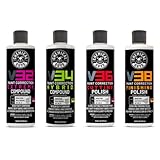
Two-step correction splits the process into two distinct stages: a heavier cut first, then a refinement pass second. Each step has a specific job.
This approach uses a compounding and polishing system that targets different defect depths at each stage. The first pass removes material aggressively. The second pass smooths and refines what’s left.
Step 1: Cutting and Compounding
Stage one uses a more aggressive compound paired with a cutting pad. This combination removes deeper swirl marks, oxidation, light scratches, and heavier surface defects that a one-step product can’t reach. It leaves the paint corrected but not fully refined — you’ll often see light haze or buffer trails after compounding.
That’s intentional. Step one isn’t trying to finish.
Step 2: Finishing Polish
Stage two uses a finishing polish paired with a softer pad to refine the surface left by the compound. This removes the light haze, enhances gloss, and brings the paint to its highest level of clarity. The result is visibly richer color and a mirror-like reflection that one-step correction rarely achieves on the same paint.
Two-step is slower, but the finish difference on damaged paint is substantial.
1 Step vs 2 Step Paint Correction: Head-to-Head Comparison
Correction Level
One-step correction typically removes 40–60% of light surface defects under proper lighting. Two-step correction can remove 70–90% of moderate-to-heavy defects, depending on paint condition, pad choice, and product selection. The gap widens significantly as paint condition worsens.
For lightly marked paint, one-step closes that gap considerably. For heavily swirled or oxidized paint, no single-pass approach will match a proper two-stage process.
Finish Quality
One-step produces a noticeably improved gloss on light-defect paint. Two-step produces a deeper, more optically clear finish. On darker colors — black, dark blue, dark grey — the difference is easy to see. On lighter colors, it’s less dramatic but still present.
If you’re comparing a freshly washed car to a properly compounded and polished car, two-step always wins on paint with real defect depth.
Time and Labor
One-step typically takes 2–4 hours on a full vehicle. Two-step runs 6–12 hours or more, depending on vehicle size, paint condition, and defect severity. You’re essentially doubling the machine time plus adding pad and product changes between stages.
Time matters. Not every car needs 10 hours of correction.
Cost Tier
One-step services fall at a lower price point. Two-step services cost more — typically 1.5 to 2.5 times the price of a one-step — reflecting the added labor, product use, and time. Neither option uses exact pricing here, as it varies by detailer, region, and vehicle size.
Risk and Paint Thickness
Every polishing pass removes a small amount of clear coat. One-step removes less material overall. Two-step removes more — particularly in the cutting stage. On cars with previously repainted panels or thin factory clear coats, excessive cutting creates real risk.
A good detailer measures paint thickness before any correction to assess safe working margin. Skipping this step on unknown paint is where problems start.
When 1 Step Paint Correction Makes More Sense
One-step correction is the smarter choice in several common situations. Don’t let the simpler process make you underestimate the result.
Best Vehicle Types
- Leased vehicles where perfection isn’t the goal
- Daily drivers with light cosmetic wear
- Pre-sale refreshes where you need improvement, not perfection
- Newer cars getting a yearly maintenance detail
Best Paint Conditions
If the paint shows light swirl marks and fine wash marring but no deep scratches, one-step delivers strong value. You get a meaningful gloss improvement without the cost or time of a two-stage process.
One-step also works as an annual maintenance correction between deeper treatments. Keeping up with light defects every year often removes the need for heavy compounding later.
When 2 Step Paint Correction Is Worth It
Two-step correction earns its cost when paint condition demands it. There are clear scenarios where single-pass correction won’t cut through.
Heavy Defect Scenarios
Paint showing heavy swirl marks visible in normal lighting, water spot etching, moderate oxidation, or scratches that catch a fingernail all need more aggressive correction. One-step won’t remove these. Attempting it with a heavier product defeats the purpose of a single-stage approach.
Environmental damage also accumulates fast. Does tree sap ruin car paint? Yes — and tree sap and paint damage from prolonged exposure can etch into the clear coat, creating defects that require compound-level correction to fully address.
Show-Quality Expectations
Enthusiasts preparing a vehicle for shows, photography, or premium resale need the highest achievable finish. That requires a two-step.
For ceramic coating prep, two-step correction is usually the right call on any car with visible defects. Ceramic coatings lock in the surface beneath them permanently — applying one over poorly corrected paint locks in every swirl mark and scratch. Two-step correction before coating gives you the best possible substrate to protect.
Cost, Time, and Finish Tradeoffs
The honest tradeoff is straightforward. Two-step costs more and takes longer. You need to decide whether your paint and goals justify that investment.
Time Commitment
One-step on a mid-size sedan: 2–4 hours including prep. Two-step on the same vehicle: 6–10 hours, sometimes more if paint is heavily damaged or the vehicle is large. Professional detailers often spread two-step corrections across two days for thoroughness.
Labor and Expertise
Two-step requires more skill. Reading paint correctly, choosing the right compound aggressiveness, managing heat, avoiding buffer trails in stage one — these take experience. One-step has a shorter learning curve. A careful DIYer can achieve good one-step results on their first attempt. Two-step on neglected dark paint is a different challenge.
Value Calculation
If your paint is in decent shape, one-step gives you 80% of the visual improvement for 40–50% of the cost. That’s strong value. If your paint is heavily defected, spending on one-step without compounding first just polishes defects you can’t remove — wasted money.
Matching the correction level to the actual paint condition is always the better investment.
How to Decide Between 1 Step and 2 Step Correction
Start with an honest paint inspection. You can’t make the right choice without knowing what you’re actually working with.
Paint Inspection Checklist
Use a paint inspection checklist and follow these steps:
- Inspect under direct sunlight or an inspection light
- Look for swirls, haze, and scratches at multiple angles
- Try to feel deeper scratches with a fingernail — if they catch, compound is likely needed
- Check for oxidation on horizontal panels (hood, roof, trunk)
- Assess any white spots on car paint — water etching may require more aggressive correction than standard one-step polishing can provide
Budget vs Outcome
Set realistic expectations against your budget. Two-step costs more but delivers more on damaged paint. One-step delivers better value on well-maintained paint. There’s no single right answer — only the answer that fits your specific car and goals.
Note that paint correction addresses surface-level clear coat defects. It won’t fix stone chips, deep gouges, or paint failure. For those issues, how to fix car paint chips covers spot repair techniques that work alongside — not instead of — polishing.
DIY vs Professional Decision
DIYers with some machine polishing experience can handle one-step correction safely. Two-step on unfamiliar or high-value paint is better left to professionals who can test spots, measure clear coat, and adjust approach based on real-time feedback.
Test spots matter. Always try your product and pad combination on a small, hidden section before committing to a full panel.
FAQ
Is one-step the same as just polishing?
Not exactly. Polishing typically refers to a finishing step with low abrasion. One-step correction uses a product that both cuts and finishes, so it sits between a pure compound and a pure polish. It does more than standard polishing but less than a dedicated compound stage.
Does two-step remove more clear coat?
Yes. The compound stage in two-step correction removes more clear coat than a one-step product. That’s why paint thickness measurement matters before starting. A professional detailer will assess clear coat depth and adjust product and pad aggressiveness accordingly.
Is one-step enough before ceramic coating?
It depends on the paint. If defects are light and the paint scores high on inspection, one-step correction before coating is acceptable. If moderate to heavy defects are present, two-step delivers a better substrate for the coating to bond to — and a much better final appearance once the coating cures.
Can beginners do one-step paint correction?
Yes, with care. One-step correction with a dual-action polisher and the correct pad is one of the safer entry points into machine polishing. Start with a test spot, work at moderate speed, and keep the machine moving. Mistakes are less likely than with a rotary or aggressive compound.
Final Verdict
Here’s the simplest rule. Good paint condition = one-step. Damaged or neglected paint = two-step.
For newer vehicles, well-kept daily drivers, and leased cars, one-step correction hits the right balance of result and value. For older vehicles, heavily swirled paint, oxidized surfaces, or anyone preparing for ceramic coating on visibly defected paint, two-step correction is the correct investment.
When in doubt, have a professional assess your paint before choosing. The wrong correction level either leaves results on the table or removes more clear coat than necessary. Getting it right starts with knowing exactly what your paint actually needs.