Best Air Blowers for Car Detailing in 2026: Top 10 Touchless Dryers & Cleaners

Towel-drying a freshly washed car feels satisfying — until you spot the swirl marks and water streaks left behind. That’s the problem air blowers solve entirely.
The best air blower for car detailing removes water touchlessly, eliminating the friction that scratches paint and the mineral deposits that cause car water spots causes prevention removal. Whether you’re drying an exterior in minutes or blasting dust from dashboard crevices, the right blower transforms your detailing workflow.
This guide covers 10 top picks for 2026, plus a buyer’s guide and comparison table to help you choose fast.




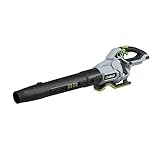
Quick Benefits of Air Blowers in Your Detailing Workflow
- Zero-contact drying prevents swirl marks and paint scratches
- Crevice access reaches door jambs, grilles, and mirror housings; no towel can touch
- Water spot prevention removes moisture before minerals bond to paint
- Interior cleaning blasts dust from vents, seams, and console gaps
- Speed advantage — a quality blower dries a full sedan in 3–5 minutes
Buyer’s Guide: How to Choose the Best Air Blower for Car Detailing
You don’t need the most expensive tool. You need the right specs for your use case.
Here’s what actually matters when picking an air blower for auto detailing. If you want a broader look at top-rated models before diving into specs, check our full best air blowers for car detailing roundup for deeper spec comparisons.
Essential Specs Explained
CFM (Cubic Feet per Minute) measures airflow volume. More CFM = faster water removal across larger surfaces. Target 100+ CFM for exterior drying. For interior dusting, 50+ CFM is enough.
PSI (Pounds per Square Inch) measures air pressure. Higher PSI drives water out of tight crevices. Most detailing tasks need 90–120 PSI from a compressor-powered tool.
Nozzle types determine versatility. Flat nozzles cover panels fast. Narrow nozzles reach trim seams. Cone nozzles blast standing water off flat surfaces.
Heat function accelerates evaporation by 30–40% compared to cold air blowers — critical for avoiding water spots in humid climates.
For pairing your blower with the right compressor setup, read this guide on choosing a compatible air compressor before buying a pneumatic tool.
Also consider pairing your blower with the best car wash soap for hard water to reduce mineral load before drying — fewer minerals means fewer spots, even if small amounts of water remain.
Matching the Tool to Your Detailing Needs
| Use Case | Recommended CFM | Power Type | Key Feature |
|---|---|---|---|
| Full exterior dry | 120–200+ CFM | Electric / Compressor | Heat option |
| Interior dusting | 50–100 CFM | Cordless / Electric | Narrow nozzle |
| Vortex deep cleaning | N/A (pressure-based) | Compressor | Vortex agitation |
| Mobile detailing | 50–150 CFM | Cordless battery | Portability |
| Commercial fleet | 200+ CFM | Electric corded | High volume |
Budget also shapes the choice. Cordless blowers suit mobile detailers but cost more per CFM than corded units. Compressor-powered tools deliver unlimited runtime but require an existing air setup.
The 10 Best Air Blowers for Car Detailing in 2026

1. Metro Vac Air Force Master Blaster — Best Overall
The Metro Vac Air Force Master Blaster is the gold standard for professional touchless drying. It’s built for detailers who need reliable, high-volume airflow every single day.
Check the Metro Vac Air Force Master Blaster details for full nozzle specs and motor ratings before purchasing.
Key Features
- Variable speed dial adjusts airflow from delicate interiors to aggressive exterior drying
- Heated air option accelerates evaporation to prevent water spots on paint
- Five included nozzles, target panels, mirrors, door jambs, and wheel wells
- Rugged motor housing withstands daily shop abuse without performance drops
Pros and Cons
Pros
- Blasts standing water off a full SUV in under 5 minutes
- Durable enough for high-volume professional use daily
- Heated air gives a clear advantage over cold-air competitors
- Quiet relative to compressor-based alternatives
Cons
- Bulkier than cordless options — less ideal for mobile jobs
- Requires a dedicated outlet; not compressor-powered
Pricing
Mid-range investment with strong value for professional-grade durability and included accessories.
Our Verdict
The Master Blaster is the clear best overall for professional detailers. Its heat function and variable speed make it the most versatile dryer on this list. If you’re serious about how to wash a car without water and touchless methods, this pairs perfectly with waterless workflows.
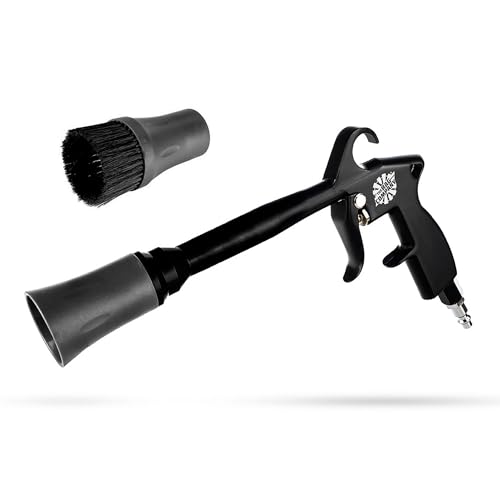
2. The Rag Company Ultra Air Tools — Best Vortex Alternative to Tornador
Not everyone wants to pay Tornador prices. The Rag Company Ultra Air Tools deliver vortex-style agitation at a fraction of the cost, with the brand reliability that detailing pros trust.
Key Features
- Vortex airflow loosens embedded dirt and dust without chemical overload
- Adjustable fluid-and-air ratio controls cleaning intensity across surfaces
- Ergonomic pistol grip reduces hand fatigue during extended interior jobs
Pros and Cons
Pros
- Effective on upholstery, carpets, and engine bays without harsh chemicals
- Build quality matches the Rag Company’s reputation for durability
- Versatile fluid control works across cleaning and drying tasks
Cons
- Slightly less raw vortex power than the original Tornador
- Requires practice to master the air-to-fluid balance
Pricing
Budget-friendly tier — significantly cheaper than premium vortex guns.
Our Verdict
If you want Tornador-style results without the premium price tag, the Ultra Air Tools deliver. Ideal for enthusiasts who detail weekly and need reliable deep cleaning on interiors and engine bays.
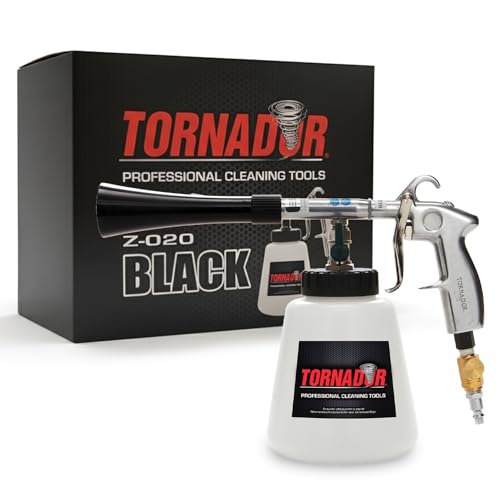
3. Tornador Z-020 Black — Best Premium Vortex Gun
The Tornador Z-020 invented vortex cleaning for auto detailing. It remains unmatched in sheer agitation power and precision for professional-grade deep cleans.
Review official Tornador specs to confirm compressor requirements and nozzle compatibility before ordering.
Key Features
- Patented vortex technology creates a spinning air-fluid stream for deep penetration
- Precision nozzle reaches tight spots — seat seams, vent louvers, engine crevices
- Stainless steel construction handles daily professional use without corrosion
Pros and Cons
Pros
- Delivers unrivaled cleaning intensity on stained upholstery and greasy engine bays
- Exceptionally durable — many pros report years of hard use without failure
- Pro-grade results justify the investment for high-ticket detailing work
Cons
- Significantly higher cost than alternatives and clones
- Requires regular O-ring maintenance to sustain vortex performance
Pricing
Premium tier — the highest price point on this list.
Our Verdict
If budget isn’t a constraint, the Tornador Z-020 Black is the definitive vortex gun. It’s the benchmark every competitor copies. High-end detailers who charge premium rates will recoup the cost quickly.
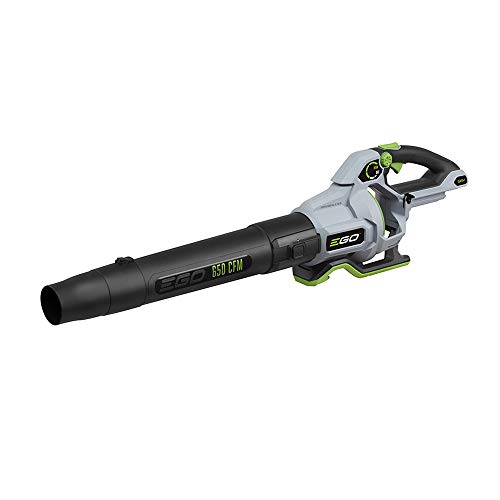
4. EGO Power+ 650 CFM Blower—Best Overall Cordless
The EGO LB6500 represents the pinnacle of cordless blower technology for detailing. Its 650 CFM turbo mode and variable speed dial provide flexibility for anything from gentle trim work to aggressive water removal.
The motor reaches 20.8 Newtons of force in testing—equivalent to many gas-powered tools. The turbo button activates peak power when you need it; a dial adjusts output from 225 CFM for delicate work down to 470 CFM for standard drying. This variability prevents over-blowing trim and badges while maintaining power where needed.
Runtime stretches to 90 minutes on a 5.0Ah battery in low mode, dropping to around 15 minutes at full turbo. For full-car drying, budget 6-8 minutes in turbo mode on a single charge. The 56V ARC Lithium platform integrates with EGO’s entire tool ecosystem, making this investment scalable if you already own their equipment.
Noise runs 64-88 dB depending on mode. Turbo mode registers loudly (88 dB), but low and high modes remain neighbor-friendly at 68-84 dB. The weight sits at 9.8 pounds with the standard 5.0Ah battery, making extended use manageable.
Pros: Legitimate gas-equivalent power, variable speed control, excellent runtime, brushless motor efficiency, proven reliability, 5-year warranty.
Cons: Higher price than budget options, heaviest among cordless blowers, turbo mode drains battery quickly, and aftermarket accessories cost extra.
Best for: Detailing enthusiasts who want cordless freedom without sacrificing power, existing EGO platform owners, and those willing to invest in professional-quality equipment.

5. WORX WG520—Best Corded Budget Blower
The WORX WG520 demonstrates that you don’t need a car-specific dryer to dry effectively. This 600 CFM corded leaf blower weighs just 6.4 pounds and costs under $80.
Performance rivals budget dedicated dryers. The 600 CFM output handles full-car drying with reasonable efficiency. The lightweight design prevents fatigue during extended use—crucial when you’re moving around your entire vehicle.
The tradeoff is a lack of air filtration. WORX pulls ambient air without filtering, meaning dust and debris can blow onto wet paint. This risk increases in dusty environments or on windy days. The solution is simple: cover the blower’s air intake end with adhesive weatherstripping foam to provide basic protection.
This option makes sense if you already own it or if you dry primarily in clean, sheltered conditions.
Pros: Extremely affordable, lightweight reduces fatigue, adequate 600 CFM output, easily available at hardware stores, compact and easy to store, handles standard sedan drying well.
Cons: No air filtration increases scratching risk, no warm air, no adjustable speed control, basic construction, and performance decreases over time as filter effectiveness declines.
Best for: Budget-first buyers, those drying in very clean environments, people who already own one, rental situations, supplementary drying for final water removal.etail at home. Plug it in and go. No compressor, no battery anxiety — just reliable drying power.

6. ACEZUK AD100-ES — Best for Interiors
Interior detailing demands precision. The ACEZUK AD100-ES delivers targeted airflow for tight spaces where larger blowers create chaos.
Key Features
- Narrow-tip nozzle channels air directly into vent slats, seams, and switch gaps
- Variable flow control shifts between gentle dust removal and firm crevice clearing
- Quiet operation mode avoids disturbing passengers or clients in shop environments
Pros and Cons
Pros
- Exceptional control for sensitive interior surfaces like LCD screens and fabric seams
- Low noise output makes it usable in shared or client-facing spaces
- Compact enough to store in a console or detailing kit bag
Cons
- Underwhelming for exterior panel drying — too low-powered for water removal
- Shorter runtime before needing a recharge
Pricing
Budget-friendly — one of the best value interior-specific tools available.
Our Verdict
If your focus is interior detailing — seats, vents, consoles, and carpet seams — the ACEZUK AD100-ES is the most precise tool here. Don’t use it as your primary exterior dryer. It’s a specialist, not an all-rounder.

7. Ryobi 18V One+ HP Brushless 220 CFM—Best Budget Cordless
The Ryobi PSBLB01B delivers 220 CFM and 140 MPH wind speed in a compact 2.7-pound package. It’s the entry point for cordless car drying and genuinely performs the job.
Real-world testing shows this blower handles 95% of water removal from sedans with 6-7 minutes of continuous use. The rubber tip nozzle prevents accidental paint contact damage if you accidentally bump the car. Two extension tubes add 20 inches of reach for wheels and tight spots.
Battery runtime runs 30-50 minutes, depending on charge level and motor demand. Since you typically need just 6-8 minutes for a full car dry, a single charge handles multiple vehicle washes. The 18V One+ battery ecosystem means compatibility with dozens of other tools if you’re building a collection.
Noise stays under 70 dB, making this suitable for early morning or residential areas where a powerful EGO might draw complaints.
Pros: Affordable entry point, lightweight and easy to handle, quiet operation, adequate power for sedans/compacts, rubber tip nozzle, long battery life between charges, One+ platform compatibility.
Cons: Underpowered for full-size trucks and SUVs, lower CFM than premium options, slower drying on large vehicles, and basic variable speed control.
Best for: Weekend car enthusiasts, apartment dwellers, owners of compact vehicles, budget-conscious buyers, and those new to contactless drying.

8. BLO Air-S Hand-Held Dryer—Best Portable Heated Option
The BLO Air-S bridges cordless convenience and heated-air benefits through a compact corded design. Its 1.5 HP motor generates 21,800 feet per minute of warm, filtered air in a handheld package weighing just a few pounds.
The 16-foot power cord provides mobility without cord clutter. Dual speed settings let you adjust output from gentle for trim work to full power for water removal. The warm-air function addresses water-spot concerns in an affordable format.
This unit excels at detail work and touch-ups rather than full-car drying from scratch. The lighter airflow suits ceramic coatings and delicate finishes better than high-power options.
Pros: Affordable warm-air option, handheld portability, adequate cord length, two-speed control, suitable for detail work, lightweight design, quiet operation.
Cons: Lower power for full-car drying, supplemental rather than primary tool, corded operation, limited to surface area reachable by cord.
Best for: Owners wanting spot drying without investment, those with ceramic coatings concerned about harsh airflow, detail-focused enthusiasts, and supplementary tool users.g keys back. Beginners should start here before investing in heavier tools.
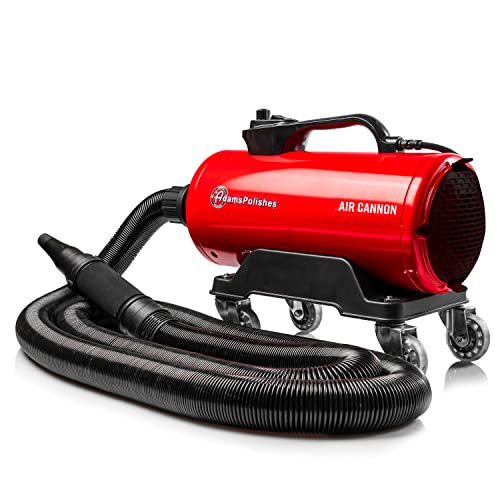
9. Adam’s Air Cannon—Best Premium Heated Dryer
The Adam’s Air Cannon represents the premium heated dryer category. Its single 3.2 HP motor produces 73,000 feet per minute of filtered, temperature-controlled warm air with quieter operation than most alternatives.
What distinguishes this unit is engineering for comfort during extended use. The motor sounds noticeably quieter than other high-power dryers (around 70-75 dB), reducing hearing fatigue during full-car drying. The 30-foot retractable hose winds back into a compact base, preventing the hose-management chaos of traditional long hoses.
Warm air output provides the same water-spot prevention and drying acceleration as other heated options. The filtering system protects paint while delivering clean air.
Premium pricing reflects professional-grade design and durability. This isn’t overcapacity overkill—it’s efficiency through smart engineering.
Pros: Exceptional noise reduction, 30-foot retractable hose prevents tangles, warm filtered air, professional build quality, excellent for repetitive use, suitable for all vehicle sizes, retractable design saves storage space.
Cons: Premium pricing, corded operation, requires a standard outlet, less powerful than Master Blaster dual-motor options, and heavier than cordless alternatives.
Best for: Professional detailers, those concerned about noise, repetitive users who value comfort, buyers with storage space constraints, and anyone prioritizing engineering quality.te the DetailKing Air Mover’s capacity. It’s overkill for a single car. For volume commercial work, it pays for itself within weeks.
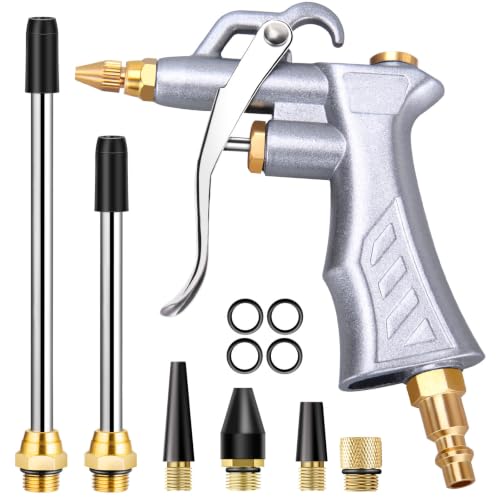
10. Shop Compressor Blower Attachment — Best Compressor-Powered Budget
Already own an air compressor? A quality blow gun or blower attachment turns your existing setup into a capable detailing tool for almost nothing.
Check water pressure for car wash to understand how to match your compressor’s PSI output to detailing attachments effectively.
Key Features
- Unlimited runtime as long as your compressor tank stays charged
- Customisable hose lengths and nozzle types adapt to any vehicle or task
- Raw pressure output rivals dedicated electric blowers at a fraction of the cost
Pros and Cons
Pros
- Extremely cost-effective if a compressor already exists in your garage
- Endless air supply suits extended detailing sessions without recharging
- Adapts to hundreds of compatible attachments for versatile shop use
Cons
- Compressor noise is significant — not suitable for residential neighbourhoods at night
- Setting up and air line management adds time before each detailing session
Pricing
Budget-friendly — attachment cost only; assumes compressor already owned.
Our Verdict
For DIY detailers with an existing garage compressor setup, this is the smartest value pick. Buy the right blow gun attachment, set your PSI correctly, and you’ve got a professional-grade drying solution for under $30.
Comparison Table: Top Air Blowers at a Glance
If you still get spots after blowing, read our guide on how to remove water spots from car windows — a common issue even with good blowers in hard water areas.
| Product | Best For | Power Type | CFM Tier | Price Tier |
|---|---|---|---|---|
| Metro Vac Master Blaster | Overall / Exterior Pro | Electric corded | High (200+) | Mid |
| Rag Company Ultra Air | Vortex cleaning | Compressor | Pressure-based | Budget |
| Tornador Z-020 Black | Premium deep clean | Compressor | Pressure-based | Premium |
| WHATOOK Air Duster | Budget cordless | Battery | Low (50–80) | Budget |
| EINHELL GC-EL 3024 E | Value home use | Electric corded | Mid (100–150) | Mid |
| ACEZUK AD100-ES | Interior specialist | Battery | Low (50–70) | Budget |
| Black & Decker BEBL185-QS | Premium cordless | Battery | Mid-High | Mid-Premium |
| Aufachieve 001 | Ultra-portable touch-ups | USB Battery | Low | Budget |
| DetailKing Air Mover | Large vehicles / Fleet | Electric corded | Very High (200+) | Mid |
| Shop Compressor Attachment | DIY garage detailing | Compressor | Adjustable | Budget |
For cars in hard water regions, combining a good blower with the best water deionizer for car washing before your rinse dramatically reduces spot risk after drying.
FAQs: Best Air Blowers for Car Detailing
Do I need an air compressor for a car detailing blower?
No. Electric corded and battery-powered blowers work without a compressor. Compressor-powered tools deliver more PSI but require existing infrastructure. Check the product specs above — most entries here are compressor-free.
What’s the difference between a vortex gun and a standard blower?
Standard blowers move air in a straight stream to push water off surfaces. Vortex guns spin air and fluid together to agitate and lift embedded dirt. They’re different tools for different tasks — blowers dry, vortex guns clean.
How much CFM do I actually need?
100+ CFM for full exterior drying. 50–80 CFM works for interior dusting and touch-ups. The comparison table above matches CFM tiers to each product’s intended use.
Can I use a blower with a pressure washer setup?
Yes. Many detailers rinse with a pressure washer, then immediately blow the surface dry. For guidance on integrating both tools, see our reviews of the best high-pressure water guns for car washing alongside your blower choice.
How do I prevent white spots on paint after blowing?
Blow at a shallow angle to physically push water off edges rather than just evaporating it in place. If spots still appear, the issue is usually mineral content in your rinse water — learn more about white spots on car paint removal for targeted solutions.
Conclusion: Pick Your Perfect Air Blower for Detailing
Go with the Metro Vac Air Force Master Blaster if you want the best all-around performer. Choose the Tornador Z-020 Black for unrivaled vortex deep cleaning. Pick the EINHELL GC-EL 3024 E for reliable home use without compressor hassle. Grab the WHATOOK or Aufachieve 001 if portability and price are your top priorities.
Every detailer’s setup is different. The best air blower for car detailing is the one that matches your workflow — not just the one with the highest spec sheet numbers.
Start with your primary use case: exterior drying, interior cleaning, or both. Match the power type to your setup. Then choose the price tier that makes sense for how often you detail.
Your paint will thank you.