Can You Use Dish Soap to Wash Your Car? Safe Use, Risks, and Better Alternatives

The short answer: yes, dish soap can wash a car. But it shouldn’t be your go-to product for regular washes, and here’s why that distinction matters.
Dish soap is formulated to cut grease off plates and pans. That’s exactly the problem. Your car’s paint has layers of wax, sealant, or ceramic coating protecting it — and dish soap treats those the same way it treats bacon grease.
This guide covers when dish soap is acceptable, when it isn’t, how to use it safely if you must, and what to use instead.
Short Answer: Yes, But It’s Usually Not the Best Choice
Dish soap will clean your car. It removes dirt, grime, and surface contamination effectively.
The real question is whether you should use it. According to Kelley Blue Book’s advice, dish soap is fine as an occasional emergency option, but it’s not the right product for routine car washing. It strips protective layers that pH-balanced car shampoo would leave untouched.
Think of it this way: dish soap is a degreaser designed for maximum cleaning power. Car wash soap is designed for thorough cleaning without disturbing the protection underneath. Those are two very different goals.
If you’re out of car soap and need a quick wash, dish soap works once without catastrophic results. Just don’t make it a habit.
What Dish Soap Does to Your Car’s Finish
This is where the real risk lives.
Wax and Sealant Removal
Dish soap’s degreasing agents don’t discriminate. They strip wax and polymer sealants off the paint just as efficiently as they lift grease off a frying pan. According to why dish soap removes protection from Turtle Wax, a single wash with dish soap can significantly degrade a wax layer that took time and money to apply.
Once that protection is gone, your clear coat faces UV rays, acid rain, bird droppings, and road contamination directly. That’s a problem.
If your paint is already showing wear, learning how to polish out car scratches and how to buff out scratches on a car becomes more relevant once the protective barrier is gone.
Effects on Clear Coat and Trim
Auto paint protection guidance from NAPA confirms that repeated dish soap use can dull the clear coat over time. Rubber trim, plastic mouldings, and seals are also vulnerable — dish soap can dry them out and cause premature cracking.
Ceramic coatings are particularly sensitive. Even a single aggressive dish soap wash can compromise a ceramic coating’s hydrophobic properties, meaning water no longer beads off the surface the way it should.
When Dish Soap Is Acceptable to Use
There are two legitimate use cases. That’s it.
Emergency-Only Use
You’re about to head out. The car is filthy. You have no car wash soap. Dish soap will do the job once without destroying your finish. The key word is once.
If this happens regularly, keep a spare bottle of car shampoo in the garage. It’s inexpensive and saves you this problem entirely.
Prep Wash Before Detailing
This is actually where dish soap earns its place in car care. Before applying a new coat of wax, a paint sealant, or a ceramic coating, you need the surface to be completely bare. You want to strip the old protection.
A dish soap wash does that job well. It removes old wax, grease residue, and silicone-based products so the new coating bonds properly to clean paint. In this context, dish soap isn’t the problem — it’s the solution. Just follow it with thorough rinsing and the new protection layer you planned.
When You Should Not Use Dish Soap
Be clear on these situations.
Never use dish soap for:
- Routine weekly or bi-weekly car washes
- Cars with fresh wax applied in the last 30–60 days
- Vehicles with a paint sealant or ceramic coating you want to preserve
- Older paint that’s already showing oxidation or dullness
- Cars with matte or satin finishes — dish soap can alter the texture permanently
Older vehicles with faded paint need more protection, not less. Stripping the last layer of wax from an already-vulnerable finish makes the situation worse, faster.
How to Wash Your Car with Dish Soap Safely
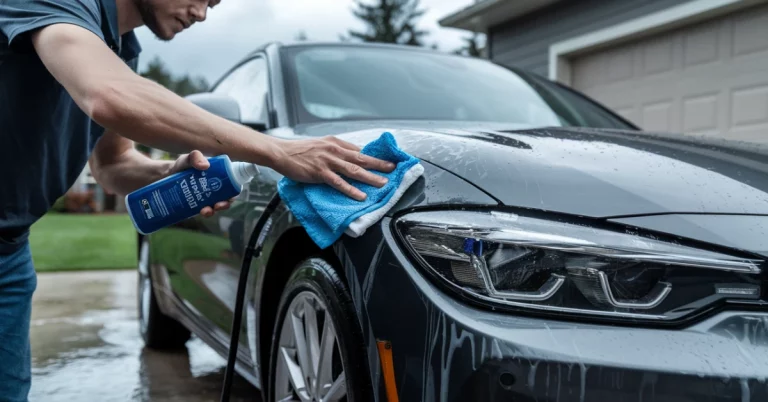
If you’ve decided dish soap is the right call — either for an emergency wash or a prep wash before detailing — do it properly.
Prep the Car First
Park in the shade. Always. Dish soap dries on hot paint faster than you think, and dried soap leaves residue that’s harder to remove than the original dirt. Understanding can you wash your car in the sun explains exactly why heat makes every washing mistake worse.
Rinse the car thoroughly with water before applying any soap. This knocks off loose dirt and grit that would otherwise scratch the paint during washing.
Mix and Apply the Soap
Use a small amount. Dish soap is highly concentrated — one to two tablespoons in a full bucket of water is enough. More soap doesn’t mean better cleaning. It means more residue to rinse off and a higher risk of streaking.
Understanding how many gallons of water to wash a car helps you get the dilution right. Use a clean wash mitt — never a sponge or old rag that could trap grit. Work panel by panel from the top down, keeping the surface wet as you go.
Rinse and Dry Correctly
Rinse each panel before moving to the next. Don’t let soapy water sit. The car cleaning water quality science behind mineral deposits means hard water leaves spots more easily when soap isn’t fully rinsed. Knowing your pressure washer nozzles chart helps you rinse effectively without damaging paint with excessive pressure.
Dry immediately after the final rinse. Car water spots form fast when water is left to evaporate on its own. Use best microfiber towels for car detailing to dry gently without scratching. Alternatively, best air blowers for car detailing eliminate the towel contact entirely and are especially useful after a dish soap wash.
Restore Protection After Washing
This step is non-negotiable after a dish soap wash. Apply a coat of carnauba wax, spray sealant, or your preferred protection product once the car is dry. Dish soap leaves the paint exposed. Naked paint oxidizes, dulls, and attracts contamination much faster.
If you used dish soap specifically as a prep wash before detailing, skip this step — your new wax or coating goes on now instead.
Best Alternative: Use a Dedicated Car Wash Soap
This is the simple, consistent answer for anyone who washes their car regularly.
Why Car Soap Is Safer
pH-balanced car shampoo cleans dirt and grime without attacking protective coatings. It’s specifically formulated to maintain the surface — not strip it. According to consumer car washing guidance from Consumer Reports, using the right cleaning product is one of the most straightforward ways to protect your car’s finish long-term.
Car wash soaps also typically contain lubricants that help the wash mitt glide across the paint. That reduces the risk of fine scratches and swirl marks that are invisible when wet but obvious in direct sunlight.
What to Look for in a Car Wash Soap
| Use Case | Recommended Product | Why |
|---|---|---|
| Regular maintenance wash | pH-neutral car shampoo | Cleans without stripping wax |
| Pre-detail strip wash | Dish soap or dedicated strip soap | Removes all protection intentionally |
| Ceramic-coated car | Ceramic-safe car shampoo | Preserves coating’s hydrophobic effect |
| Hard water area | dedicated car wash soap for hard water | Reduces mineral spotting |
For technical context on why car-specific soaps outperform household options, pH-balanced car wash soap comparisons from J Racenstein break down the chemistry clearly.
Common Mistakes to Avoid
Most dish soap problems come from how it’s used, not just that it’s used.
Avoid these errors:
- Washing in direct sunlight — soap dries on hot panels in minutes, leaving hard-to-remove residue. Learn more about why can you wash your car in the sun is a question worth taking seriously.
- Using too much soap — excess suds don’t clean better. They leave more residue and demand more rinsing.
- Assuming foam equals clean — foam is mostly visual. Cleaning power comes from the chemistry, not the bubbles.
- Skipping the wax afterward — the biggest mistake. If dish soap strips your protection, that protection doesn’t come back on its own. Reapply wax or sealant the same day.
- Using a dirty sponge or rag — trapped grit scratches paint. Use a clean microfiber mitt every time.
- Letting water sit — hard water spotting happens quickly, especially in warm weather. Always dry promptly.
FAQ
Can dish soap damage car paint?
One wash won’t destroy your paint. Repeated use causes cumulative damage by stripping protective coatings and exposing the clear coat to environmental hazards like UV rays and oxidation.
Does dish soap remove wax?
Yes. Dish soap’s degreasing properties strip wax effectively. That’s why detailers sometimes use it intentionally before applying a new coat. After an accidental dish soap wash, reapply wax as soon as the car is dry.
Is Dawn dish soap safe for cars?
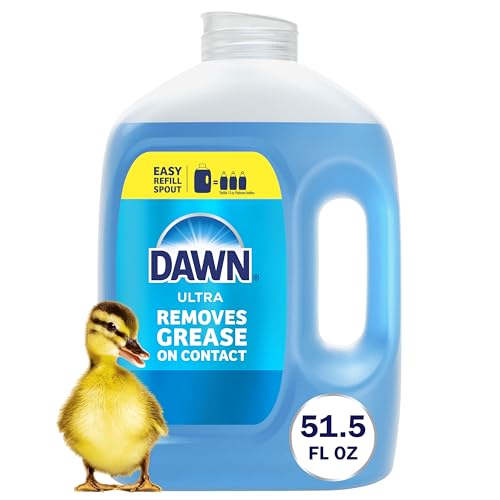
Dawn is one of the most commonly used dish soaps on cars because it’s effective and widely available. It’s no safer or more harmful than other dish soap brands — it strips wax, and it works as a one-time or prep wash. Don’t use it for regular maintenance.
What should I use instead of dish soap?
Any pH-balanced car shampoo designed for automotive paint. Brands like Meguiar’s Gold Class, Chemical Guys Honeydew Snow Foam, and Adams Polishes Car Wash Shampoo are good starting points. They clean thoroughly without stripping protection.
Should I wax after washing with dish soap?
Yes. Always apply wax or sealant after using dish soap, unless you’re doing a prep wash before applying a new coating product.
Final Recommendation
Use dish soap on your car only when you have no other option, or when you deliberately want to strip old protection before a full detail. Those are the two cases where it makes sense.
For everything else — your regular Saturday morning wash, your quick rinse after a rainy commute — use a dedicated car wash soap. It’s not much more expensive, it takes no extra effort, and it keeps your paint protected for years longer.
For most people: keep a bottle of car shampoo in the garage, save the dish soap for dishes, and reapply wax once or twice a year to keep the finish looking sharp.