Best Car Plastic Restorer: 7 Top Picks for Faded Trim in 2026

Faded, chalky plastic trim makes even a clean car look neglected. UV rays break down the polymers in exterior plastic within a few years, turning rich black bumpers and mirror housings into a dull, ashy gray. The right car plastic restorer fixes that — and keeps it fixed.
This list covers seven top-rated plastic restorers, ranked by use case. Every pick was evaluated on durability, finish quality, UV protection, ease of application, and value. There’s no single winner for everyone, so each entry names exactly who benefits most.



1. Cerakote Ceramic Trim Coat — Best Overall Car Plastic Restorer
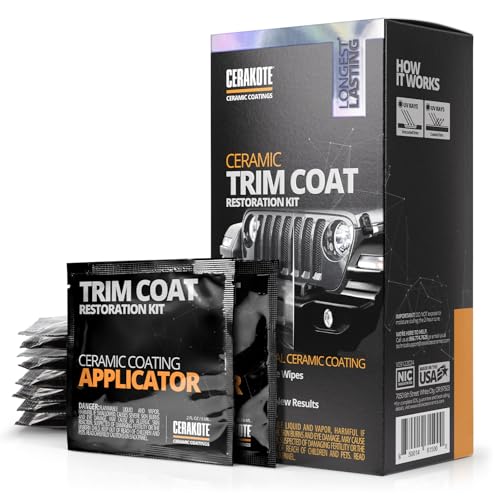
Cerakote Ceramic Trim Coat is the strongest all-around option available to DIY detailers. It uses a genuine ceramic SiO2 formula that bonds directly to plastic surfaces rather than simply coating them. That means you get a semi-gloss, factory-fresh appearance that doesn’t wash off after the first rain.
Key Features
- Ceramic SiO2 bonding locks into plastic pores for months-long adhesion
- UV-blocking chemistry slows future oxidation and color fade
- Works on exterior bumpers, mirror housings, wiper cowls, and unpainted trim strips
- Single-wipe application cures without buffing
Pros and Cons
Pros
- Lasts 4–6 months or longer on garage-kept vehicles
- Doesn’t attract dust or leave a greasy film after curing
- Works equally well on interior trim and exterior plastic
Cons
- Requires a clean, dry surface or bonding fails quickly
- Costs more than dressing-style products per bottle
Pricing
Mid-to-upper price tier; bottles are small but highly concentrated for wide coverage.
Our Verdict
Cerakote is the pick if you want one application to hold up through seasons rather than weeks. It suits daily drivers in hot, sunny climates and anyone tired of reapplying cheaper products every month.
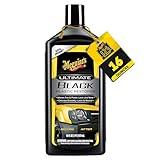
2. Meguiar’s Ultimate Black — Best Budget Car Plastic Restorer
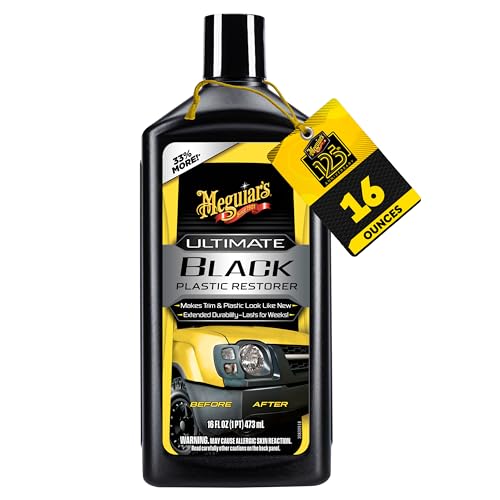
You don’t need to spend heavily to get solid results. Meguiar’s Ultimate Black delivers a clean, dark finish on faded black trim at a price point accessible to any car owner.
Key Features
- Polymer-based formula fills surface oxidation and restores deep color
- Easy foam applicator pad included for streak-free coverage
- Suitable for bumpers, door trim, and exterior moldings
- Dries to a natural, non-greasy satin finish
Pros and Cons
Pros
- Very affordable and widely available at auto parts stores
- Applicator makes it nearly foolproof for beginners
- Good results on lightly to moderately faded trim
Cons
- Lasts 4–8 weeks before color begins fading again
- Doesn’t perform as well on heavily oxidized or sun-bleached plastic
Pricing
Budget tier; one of the most cost-effective restorers per application.
Our Verdict
Meguiar’s Ultimate Black is the smart buy for owners who don’t mind reapplying every couple of months. It’s ideal for daily drivers, older vehicles, and anyone testing plastic restoration for the first time.
3. Gtechniq C4 Permanent Trim Restorer — Best for Exterior Trim
Exterior plastic takes the hardest beating. It faces direct sunlight, road grime, rain, and temperature swings daily. Gtechniq C4 was built specifically for that environment.
The formula chemically bonds to unpainted plastic and rubber, creating a hydrophobic layer that repels water and prevents UV-driven oxidation. Watch a side-by-side comparison of plastic restorers to see how C4 holds up against traditional dressings under real-world conditions. For another comparison of exterior plastic restorers that includes C4 against other market leaders, that editorial is worth a look.
Key Features
- Chemical bonding to plastic surfaces delivers near-permanent protection
- Hydrophobic coating repels water, mud, and road spray effectively
- Prevents UV bleaching on bumpers, mirror caps, wiper cowls, and trim strips
- Cures to a natural matte-to-satin finish that doesn’t look overdressed
Pros and Cons
Pros
- Can last 12+ months on protected exterior surfaces
- Won’t streak or run in light rain once cured
- Handles high UV exposure in warmer climates without yellowing
Cons
- Requires clean, degreased plastic — contamination ruins bonding
- Higher upfront cost than most mainstream restorers
Pricing
Premium tier; investment pays off over 12 months of reduced reapplication.
Our Verdict
C4 is the right pick for drivers who live in high-sun areas or park outdoors year-round. If you want exterior trim that stays dark and protected through every season, this is it.
4. CarGuys Plastic Restorer — Best for Interior Plastics

Interior plastics are a different challenge. They need low sheen. High-gloss finishes on dashboards cause windshield glare and look out of place. CarGuys Plastic Restorer hits the right balance — it restores color without adding artificial shine.
Key Features
- Matte-to-satin finish ideal for dashboards, door cards, and pillar trims
- Silicone-free formula prevents dust and fingerprint attraction
- Safe for all cabin surfaces including textured ABS plastic
- Easy spray-and-wipe application with no residue
Pros and Cons
Pros
- Won’t cause glare on the dashboard or reflect light awkwardly
- Leaves a clean, factory-style appearance rather than a “dressed” look
- Works on center consoles, cup holder surrounds, and gear knob trims
Cons
- Lighter UV protection compared to exterior-grade formulas
- Results on very dark fading may require two applications
Pricing
Mid-range; available in multiple bottle sizes for full-interior treatments.
Our Verdict
CarGuys is the pick for anyone focused on the cabin. It’s especially useful for rideshare drivers, families, and detail-conscious owners who want a clean interior without the sticky, dust-attracting finish that many dressings leave behind. Pairing this with a how to steam clean inside of car prep session gets you the best results.
5. Mothers Back-to-Black — Best for Heavy Sun Damage
Some plastic trim goes past dull. Years of direct sun exposure can turn bumpers chalky white, strip nearly all pigment from rubber seals, and leave trim strips looking chalky and cracked. Mothers Back-to-Black was formulated to tackle that level of damage.
Key Features
- Deep-penetrating oil formula re-saturates dried-out plastic and rubber
- Restores color depth on heavily oxidized trim in a single application
- Works on both plastic and rubber trim, including door seals and wiper cowls
- Includes foam applicator for controlled, even coverage
Pros and Cons
Pros
- Exceptional color recovery on severely faded or bleached trim
- Affordable enough to use generously on large surface areas
- Also conditions rubber, preventing further cracking and shrinkage
Cons
- Oil-based formula can attract more dust than ceramic or polymer alternatives
- Longevity is shorter — expect 3–6 weeks per application
- Not ideal for interior use due to sheen level
Pricing
Budget-to-mid tier; large bottles offer good value for trucks, SUVs, and vans with substantial trim areas.
Our Verdict
Mothers Back-to-Black earns its place for anyone dealing with truly neglected trim. It won’t match the longevity of ceramic products, but nothing restores deeply oxidized plastic as fast or as visibly. Use it as a recovery step, then follow up with a durable sealant product.
6. 303 Aerospace Protectant — Best Long-Lasting Protection
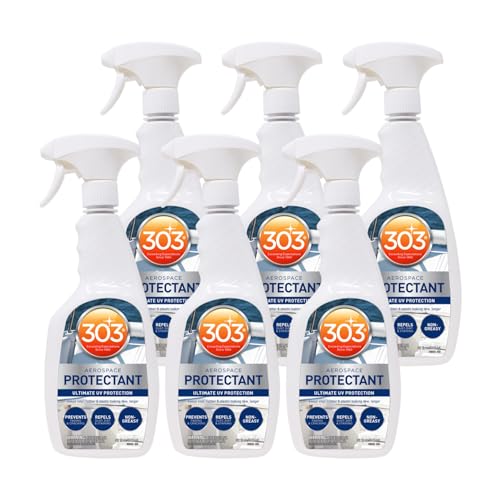
Longevity is the hardest thing to get right with plastic restoration. Most products fade within weeks. 303 Aerospace Protectant is built around UV shielding first, with color restoration as a secondary benefit.
Car and Driver’s coverage of plastic and rubber restorers consistently notes 303 as one of the top UV-protection options across both plastic and rubber surfaces. The formula uses UV absorbers that chemically intercept radiation before it degrades polymer chains. That’s a genuine protection mechanism, not just a coating.
Understanding why protection matters here is easy: UV exposure is the primary reason plastic fades in the first place. Without a UV-blocking layer, any restored trim will re-fade within weeks in direct sunlight. Problems like car water spots causes prevention removal compound the issue by leaving mineral deposits on unprotected trim. Using best air blowers for car detailing to dry trim before application eliminates those deposits and improves product adhesion.
Key Features
- UV absorber chemistry blocks radiation at the molecular level, not just surface level
- Water-based formula with strong water-beading effect after curing
- Safe for plastic, rubber, vinyl, and fiberglass
- Leaves a light, natural-looking satin finish without greasiness
Pros and Cons
Pros
- Lasts 3–4 months in direct sun; significantly longer in shaded parking
- Doesn’t attract dust or airborne particles after curing
- Protects against ozone degradation and heat cracking in rubber
Cons
- Color restoration is modest — best used on lightly faded or recently restored trim
- Doesn’t restore deeply bleached plastic on its own
Pricing
Mid-range; spray bottles make application fast and economical.
Our Verdict
303 is the maintenance product you reach for after a stronger restorer does the heavy lifting. It’s also ideal for newer vehicles where trim is still in good condition but needs UV shielding before damage starts.
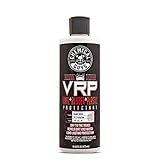
7. Chemical Guys VRP Dressing — Best Easy Spray or Wipe-On Formula
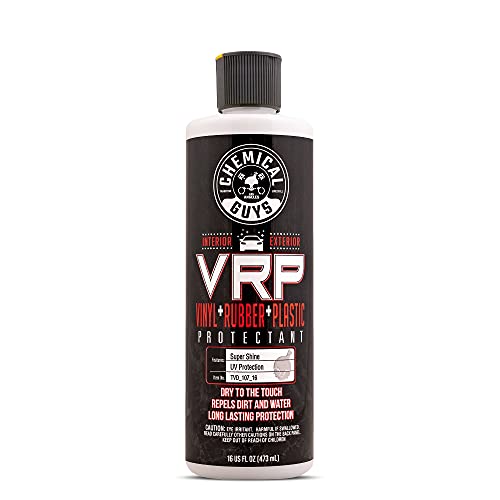
Not every detailing job needs a ceramic coating or a chemical bond. Sometimes you need something fast. Chemical Guys VRP (Vinyl, Rubber, Plastic) Dressing is the go-to spray-on restorer for quick turnarounds.
The formula works on all three surface types and dries to a customizable finish. Apply a single coat for satin. Build layers for a glossier result. That flexibility makes it useful for both interior panels and exterior trim, depending on your preference.
Applying it correctly takes one minute. Spray onto a best microfiber towels for car detailing applicator, wipe onto the surface, and buff lightly. Done.
Key Features
- Spray-on versatility covers vinyl, rubber, and plastic in a single product
- Adjustable gloss level by varying application coats
- Quick dry time — no waiting before driving
- Low-odor formula safe for interior and exterior use
Pros and Cons
Pros
- Fastest application of any product in this list
- Works on tires, bumpers, dashboards, and door seals equally well
- Budget-friendly and widely stocked
Cons
- Shorter durability — 2–4 weeks before reapplication is needed
- Can look slightly greasy if over-applied, especially on interior plastic
Pricing
Budget-to-mid tier; available in various sizes including large bulk bottles for frequent use.
Our Verdict
VRP is the pick for detailers who value speed and convenience over maximum longevity. It’s ideal for pre-sale prep, rental fleets, or anyone who wants presentable trim without committing to a technical application process.
Quick Comparison: All 7 Products at a Glance
| Product | Best For | Finish | Durability | UV Protection |
|---|---|---|---|---|
| Cerakote Ceramic Trim Coat | Overall | Semi-gloss | 4–6 months | Strong |
| Meguiar’s Ultimate Black | Budget | Satin | 4–8 weeks | Moderate |
| Gtechniq C4 | Exterior trim | Matte-satin | 12+ months | Very strong |
| CarGuys Plastic Restorer | Interior | Matte | 6–10 weeks | Light |
| Mothers Back-to-Black | Heavy sun damage | Satin | 3–6 weeks | Light |
| 303 Aerospace Protectant | Long-lasting | Natural satin | 3–4 months | Very strong |
| Chemical Guys VRP | Quick application | Adjustable | 2–4 weeks | Moderate |
How to Choose the Right Car Plastic Restorer
The right product depends on three things: where the plastic is, how bad the fading is, and how long you want protection to last.
Finish type matters more than most buyers realize. Interior plastics need matte or satin finishes to avoid dashboard glare. Exterior trim can handle more sheen, but natural-looking semi-gloss often looks better than high-gloss dressings. If a product looks “wet” all the time, it’s usually a short-term dressing rather than a true restorer.
UV protection separates restorers from dressings. A dressing coats the surface temporarily. A restorer with UV absorbers blocks radiation before it re-damages the plastic. In hot climates, this difference can mean months of additional protection between applications.
Surface prep determines how long any product lasts. This step is non-negotiable. Clean the plastic thoroughly before applying anything. Use best car wash soap for hard water if you’re in a mineral-heavy water area, since hard water leaves residue on trim that blocks product absorption.
For serious pre-cleaning, best pressure washers for cars strip embedded grime from textured trim surfaces effectively. Browse Amazon’s best-selling automotive plastic care products to see how the market has shifted toward ceramic-based and UV-rated formulas as buyers demand more durability.
You can also scan the most popular plastic care products on Amazon to cross-reference availability and customer volume.
One important distinction: plastic restorers are not scratch removers or paint treatments. If you’re dealing with surface scratches on painted bodywork, check out how to polish out car scratches or how to buff out scratches on a car instead. For deeper paint chip damage, how to fix car paint chips covers that separately.
Interior vs. Exterior Plastic
- Interior: Choose low-sheen, silicone-free formulas to avoid glare and dust attraction
- Exterior: Choose UV-rated, water-resistant formulas that tolerate rain and temperature swings
- Both: Check the label — not all products are dual-use
Durability Factors
- Ceramic-based products bond chemically: longest lifespan
- Polymer-based products coat the surface: moderate durability
- Oil-based dressings penetrate: best for heavy fading, shortest lifespan
FAQ About Car Plastic Restorers
How long does a car plastic restorer last?
It depends on the formula type. Ceramic restorers like Cerakote or Gtechniq C4 last 4–12 months. Polymer-based products like Meguiar’s Ultimate Black last 4–8 weeks. Oil-based dressings like Mothers Back-to-Black last 3–6 weeks. Climate and parking conditions make a big difference — shaded parking extends durability significantly.
Do plastic restorers work on all colors, not just black trim?
Most products are marketed for black trim, but many work on gray, charcoal, and dark-colored plastics too. Heavily pigmented restorers may darken lighter plastics more than expected. Test on a hidden area first.
Can I use an exterior restorer inside my car?
Not always. Many exterior-grade restorers leave a gloss level too high for interior use, and some contain chemicals that off-gas in an enclosed cabin. Use interior-specific formulas like CarGuys Plastic Restorer for dashboards and door panels. Related surface care like how to remove water spots from car windows can be handled separately as part of a full interior cleanup.
How do I prep faded plastic before applying a restorer?
Wash the surface with a degreasing soap. Rinse thoroughly. Let it dry completely — moisture under a restorer causes lifting and uneven finish. Remove any old dressing or wax residue before applying a new product. For textured exterior trim, a soft brush helps clean recessed areas where grime hides.
Why does my restored trim go gray again so quickly?
Usually two reasons. Either the plastic wasn’t properly cleaned before application, or the product you used is a short-lived dressing rather than a bonding restorer. UV exposure in direct sunlight also accelerates re-fading. Switching to a ceramic or UV-rated formula dramatically extends the result.
Final Pick and Buying Recommendation
Here’s the short version for fast decisions.
Best overall: Cerakote Ceramic Trim Coat — ceramic bonding, months of durability, suits both interior and exterior.
Best on a budget: Meguiar’s Ultimate Black — affordable, easy to apply, good for lightly faded trim.
Best for exterior trim: Gtechniq C4 — the longest-lasting exterior option with genuine UV defense.
Best for interiors: CarGuys Plastic Restorer — matte finish, no glare, no dust attraction.
Best for heavy fading: Mothers Back-to-Black — deep color recovery on badly oxidized plastic.
Best UV protection: 303 Aerospace Protectant — use it after restoring trim to lock in results long-term.
Easiest application: Chemical Guys VRP — fast, flexible, and beginner-friendly.
The smartest approach for badly faded trim: use Mothers Back-to-Black to recover color, then follow up with 303 Aerospace for UV protection. That two-step method outperforms most single-product approaches on neglected vehicles. For more product guidance across every aspect of your detailing routine, explore our full car detailing resource hub.