Best Bug Remover for Cars: 7 Top Products to Eliminate Insects & Tar

Dead bugs and road tar are more than eyesores. They contain acidic compounds that actively eat into your car’s clear coat — and the damage begins faster than most drivers realize. Acidic insect residue can start deteriorating clear coat within 48 hours in warm weather (70°F+), but removing it within 24 hours prevents roughly 90% of lasting damage.
That’s a tight window, especially during peak bug season from March through September, when highway drivers in high-insect regions experience 2–3× more splatter than urban commuters.
This guide cuts through the noise. Below are seven of the best bug removers for cars, selected by use case, paint type, and budget — followed by a buying guide, step-by-step application instructions, and answers to the most common questions.


Why Bug Removal Matters for Your Car’s Paint
How Insect Damage Affects Your Car’s Finish
Bug splatter contains formic acid, enzymes, and chitin that bond to paint within hours. Left untreated for 24+ hours, insect residue causes permanent etching in 15–25% of cases, depending on paint type. Heat accelerates the process dramatically. Summer road trips are especially risky.
The clear coat is your paint’s primary defense. Once it’s compromised, you’re looking at polishing compounds, professional correction, or repainting. A $12 bottle of bug splat cleaner beats a $300 paint correction job every time.
When to Use Chemical vs. Mechanical Removal
Fresh splatter responds well to spray-on formulas. Dried, baked-on insects often need a stronger chemical dwell time or light agitation with a microfiber. Tar requires a dedicated solvent-based road tar remover. Knowing the difference saves time and protects your finish.
1. Meguiar’s Bug & Tar Remover — Best Overall
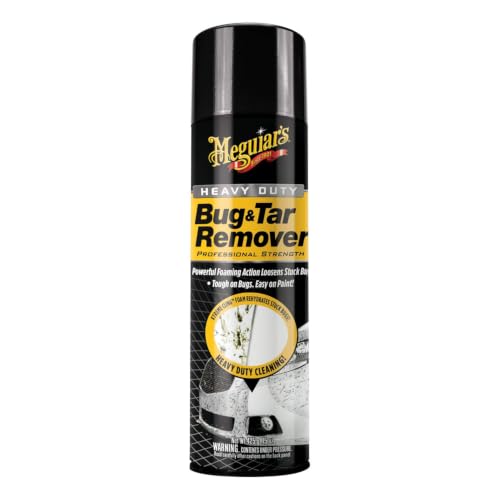
Verdict: The most balanced bug remover for everyday drivers who want fast results without worrying about paint damage.
Meguiar’s has earned its reputation in the automotive detailing world, and this formula is a prime example of why. It’s a clear coat safe bug remover that works on fresh and lightly dried insects, road tar, and tree sap. The pH-neutral car cleaner formula means it won’t strip existing wax or sealant — a major advantage for drivers who maintain their finish regularly.
Who it’s for: Any car owner dealing with moderate bug accumulation after highway driving or road trips.
Key Features:
- pH-balanced, paint-safe solvent formulation
- Works on insects, tar, tree sap, and road grime
- Compatible with clear coat, single-stage, and ceramic-coated finishes
- Spray-on application with short 5–10 minute dwell time
Pros:
- Fast-acting insect remover — works in under 10 minutes
- Safe for all paint types, including PPF
- Widely available online and in auto parts stores
- Mild, non-offensive scent
Cons:
- May require two applications on heavily dried splatter
- Mid-range price point (not the cheapest option)
- A lighter formula may underperform on heavy tar deposits
Real-World Use Case: Perfect after a summer highway drive. Spray, wait, wipe — done before dinner.
Price Range: Mid-range ($12–$18 per bottle)
2. Chemical Guys Bug & Wash — Best Budget Pick

Verdict: Delivers reliable insect splatter removal at a price that makes regular use realistic.
Budget doesn’t have to mean weak. Chemical Guys Bug & Wash combines surfactants and mild solvents into a formula that handles fresh bug splatter effectively without breaking the bank. It’s designed to be used during a regular wash routine, which means you don’t need a separate step or special tools.
Who it’s for: Cost-conscious car owners who want to treat bugs during their weekly wash rather than as a standalone detail session.
Key Features:
- Dual-action formula (cleans and removes bugs simultaneously)
- Concentrate option available for better value per use
- Safe for chrome, rubber, plastic trim, and painted surfaces
- Works with foam cannons or standard wash buckets
Pros:
- Very affordable — one of the best value automotive detailing products available
- Versatile enough to use as a pre-wash soak or in wash water
- Gentle formula safe for frequent use
- No harsh fumes
Cons:
- Less effective on fully dried or baked-on bugs
- Not ideal for heavy tar deposits
- The concentrate version requires measuring for the correct dilution
Real-World Use Case: Great for spring and early summer when bug season is just picking up, and you’re dealing with fresh, light accumulation after daily commutes.
Price Range: Budget ($8–$14 per bottle or concentrate)
3. 3M Bug & Tar Remover — Best for Heavy-Duty Tar & Dried Insects
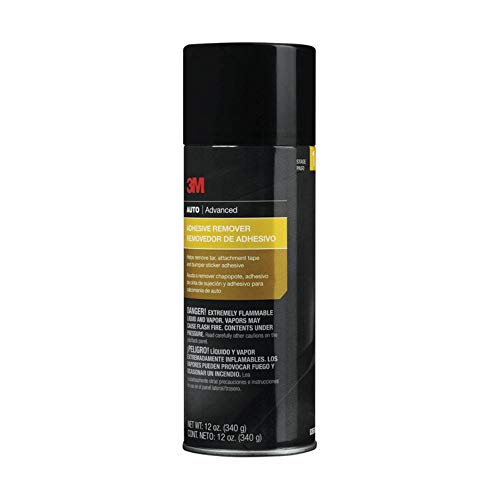
Verdict: The go-to tar and insect remover when bugs have been baked on, and nothing else is cutting it.
3M is synonymous with industrial-grade performance. This formula uses stronger paint-safe solvents that penetrate and dissolve dried insect protein and asphalt-based tar with minimal scrubbing required. It’s the closest thing to a professional detailer’s secret weapon in a consumer bottle.
Who it’s for: Long-haul drivers, rural commuters, and anyone dealing with weeks-old, sun-baked bug residue or heavy road tar deposits.
Key Features:
- Solvent-based, fast-acting formula
- Specifically engineered for tar and dried insect removal
- Works without harsh mechanical scrubbing
- Compatible with most factory paint finishes
Pros:
- Exceptional on baked-on bugs — outperforms lighter formulas significantly
- Eliminates tar and road grime in one step
- Minimal agitation needed
- Trusted brand with decades of automotive chemical expertise
Cons:
- Stronger scent than most alternatives — use in ventilated areas
- Not recommended for sensitive finishes without spot testing
- Premium price point
- Not the best choice for light, casual maintenance
Real-World Use Case: Post-summer road trip where bugs have had days to bake onto the hood and front bumper in high heat.
Price Range: Mid-range to premium ($14–$22 per bottle)
4. Eco Touch Bug Remover — Best Eco-Friendly Option

Verdict: A genuinely effective, plant-based formula for environmentally conscious car owners who refuse to compromise on results.
Most eco-friendly car cleaners underperform their chemical counterparts. Eco Touch breaks that pattern. This plant-derived, biodegradable formula tackles fresh to moderately dried bug splatter without petroleum solvents or harsh chemicals. It’s listed among EPA-certified eco-friendly cleaners, giving it third-party credibility that many “green” products lack.
Who it’s for: Eco-conscious drivers, households with children or pets, and anyone sensitive to chemical fumes.
Key Features:
- 100% plant-based, biodegradable ingredients
- No VOCs, phosphates, or petroleum distillates
- Safe for rubber, trim, glass, and all paint finishes
- Odor-free bug remover — no chemical smell at all
Pros:
- Completely non-toxic formula
- Safe for ceramic-coated finishes (bug remover for ceramic coat approved)
- Genuinely odor-free experience
- Biodegradable packaging options available
Cons:
- Less effective on heavy, dried bug buildup
- May require longer dwell time (10–15 minutes vs. 5)
- Slightly higher price per ounce than conventional formulas
Real-World Use Case: Ideal for spring morning maintenance after overnight insect accumulation — gentle, effective, and safe enough to use without gloves.
Price Range: Mid-range ($13–$20 per bottle)
5. Adam’s Bug Remover Spray — Best Spray-On Formula for Ease

Verdict: If convenience is your top priority, this is the most effortless bug removal experience available.
Adam’s Polishes built their reputation on detailer-grade products that are easy enough for beginners. Their Bug Remover Spray delivers a thick, clinging foam from a standard spray bottle that sticks to vertical surfaces — like front bumpers and grilles — instead of running off immediately. That contact time does the work, so you don’t have to.
Who it’s for: Busy drivers who want fast, effective results with zero complexity.
Key Features:
- Thick-spray formula clings to vertical surfaces
- pH-neutral, clear coat safe bug remover chemistry
- Works on bugs, water spots, and light road film
- No foam cannon or special equipment required
Pros:
- Spray and wipe — no soaking or scrubbing required
- Excellent on fresh to moderately dried insects
- Safe for all exterior surfaces, including chrome and trim
- Pleasant, mild scent
Cons:
- Not effective on heavy tar deposits
- Can dry out quickly in direct sun — work panel by panel
- Premium brand pricing
Real-World Use Case: Quick Tuesday evening clean after commuting through country roads in bug season. Done in 15 minutes.
Price Range: Mid-range to premium ($15–$22 per bottle)
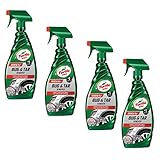
6. Turtle Wax Bug & Tar Remover — Best for Regular Maintenance

Verdict: A mild, reliable formula designed for drivers who want to treat bugs weekly without damaging their finish over time.
Frequent use of harsh solvents degrades wax, sealants, and ceramic coatings over time. Turtle Wax’s formula is specifically calibrated for regular, repeated use. It’s gentle enough to apply weekly without stripping protection — and effective enough to handle fresh bug accumulation consistently.
Who it’s for: Drivers in high-insect regions who need a go-to product they can use every week throughout spring and summer.
Key Features:
- Mild pH-neutral car cleaner formulation
- Safe for all exterior coatings, including ceramic
- Available in large bottle formats for value
- Quick-dry formula minimizes water spot risk
Pros:
- Extremely gentle — safe for ceramic and PPF coatings
- Large bottle sizes offer excellent value for frequent users
- Water spot prevention is built into the formula
- Widely available at grocery and hardware stores
Cons:
- Not strong enough for heavy tar or week-old dried bugs
- Requires more applications than solvent-based products
- Basic packaging compared to premium brands
Real-World Use Case: Every Sunday, a wash routine from May through August for a commuter who drives through rural highways daily.
Price Range: Budget to mid-range ($9–$15 per bottle)
7. WD-40 Specialist Bug & Tar Remover — Best All-Purpose Road Grime Solution
Verdict: One product that legitimately tackles bugs, tar, tree sap, and general road grime without breaking a sweat.
WD-40’s Specialist line is a step above their general-use products. This formula was engineered specifically for exterior paint surfaces and handles the full spectrum of road contamination in a single application. It’s the ideal all-purpose product for drivers who don’t want a separate bottle for each problem.
Who it’s for: Drivers who want one product to handle bugs, tar, sap, and road film — without maintaining a cabinet full of specialty cleaners.
Key Features:
- Multi-surface bug splat cleaner and tar remover in one
- Safe on clear coat, single-stage paint, chrome, and trim
- Penetrating solvent formula dissolves multiple contaminant types
- Spray-on application, no mixing required
Pros:
- Genuine all-in-one performance across bug, tar, and grime removal
- Fast results — most contaminants removed within 5–7 minutes
- Excellent value for a multi-purpose product
- Trusted brand with strong quality consistency
Cons:
- Stronger solvent smell than gentler formulas
- Not recommended as a “weekly maintenance” product due to solvent strength
- Less refined experience than premium detailing brands
Real-World Use Case: After a camping road trip, the car has accumulated bugs, pine sap, and asphalt in one messy combination.
Price Range: Mid-range ($12–$18 per bottle)
Buying Guide: How to Choose the Right Bug Remover
Paint Type Considerations
Your paint finish determines which formula is safe. Ceramic-coated vehicles need a pH-neutral formula — harsh solvents can degrade the coating’s hydrophobic properties. PPF (paint protection film) is similarly sensitive. Single-stage paint (common on older vehicles) is more porous and absorbs chemicals faster, requiring gentler dwell times.
Clear coat finishes — the standard on most vehicles made after 1990 — are the most versatile and compatible with the widest range of products. Always check the automotive paint durability standards referenced by manufacturers when assessing chemical compatibility.
For detailed guidance on ceramic-coated finishes specifically, reviewing documentation from ceramic-coated finish specialists helps clarify which chemical profiles are safe before applying any solvent-based product.
Application Methods Explained
Spray-on formulas dominate consumer preference — 67% of car owners prefer them for convenience, according to aggregated detailing forum data. Liquid concentrates offer better value but require measuring. Foam aerosols provide the best surface contact on vertical panels.
Clay bar systems (using a detailing clay bar with lubricant) work best for embedded contamination after chemical treatment. In water-restricted areas, portable water pumps for car washing provide the rinse capability needed for proper bug remover application and cleanup.
Ingredient Safety & Paint Compatibility
Avoid products with high alcohol content, acetone, or petroleum distillates unless specifically formulated as paint-safe solvents. These can strip wax, dull the clear coat, and damage rubber seals. Look for “pH-neutral” or “pH-balanced” labels as the baseline safety indicator. Eco-friendly formulas tend to have the most transparent ingredient lists.
Step-by-Step Application Guide
Pre-Treatment Washing
Start by rinsing the affected area with water to soften loose debris. Never apply bug remover to a hot panel or in direct sunlight — heat causes premature drying and reduces dwell effectiveness. Using the best car wash soap for hard water in your pre-wash removes surface dirt that could cause micro-scratching during bug removal.
Pair this with proper water pressure for car wash — too high can damage softened paint, too low won’t remove loose grime effectively. A quality water hose for car wash with an adjustable nozzle provides the control you need. For heavy-duty pre-rinsing, high-pressure water guns for car washing help blast off loose bug material before chemical treatment begins.
Application Techniques by Product Type
Apply your chosen bug remover generously to the affected area. Let it dwell — don’t skip this step. Most formulas need 5–10 minutes to penetrate and break down insect protein. Use a clean microfiber cloth for gentle agitation using the microfiber cloth techniques recommended by detailing professionals. Work in straight lines. Never scrub in circles. For stubborn spots, apply a second coat rather than applying more pressure.
Drying & Finishing
Rinse thoroughly with clean water. Use the best water deionizer for car washing for the final rinse to eliminate mineral deposits that cause water spots. For a completely touchless finish, air blowers for car detailing eliminate the risk of scratching from drying towels.
Water tanks for car detailing are useful for storing pre-treated rinse water if you’re detailing away from a fixed water source. After drying, apply a quick detailer, spray wax, or polishing compound to restore any protection removed during the process.
FAQs About Bug Removal
Can I use WD-40, acetone, or gasoline to remove bugs?
WD-40 original formula works in a pinch but isn’t optimized for paint safety. Acetone and gasoline will damage clear coat — avoid them entirely. The WD-40 Specialist formula on this list is formulated differently from standard WD-40.
How often should I treat my car for bugs?
During peak bug season (May–August), weekly treatment prevents buildup and etching. Highway drivers may need treatment after every long drive.
Will bug remover damage my paint?
pH-neutral formulas are safe for all paint types. Solvent-heavy products can degrade wax and sealants if used frequently. Always check for “clear coat safe” labeling.
What’s the difference between bug remover and tar remover?
Bug removers target organic, protein-based residue. Tar removers use stronger hydrocarbon-dissolving solvents for petroleum-based contamination. Some products — like 3M and WD-40 Specialist — handle both.
Can I use bug remover on windows or trim?
Most formulas are safe on glass and rubber trim, but always verify with the product label. Avoid leaving any formula on plastic trim for extended periods.
How do I prevent insect damage in the first place?
Apply a quality wax or sealant regularly. Ceramic coatings provide the best long-term protection. Some drivers use automotive bug repellent spray coatings on front bumpers and hoods during heavy bug season.
Conclusion: Choose the Right Bug Remover for Your Situation
The right product depends on your vehicle, your driving habits, and how often you’re dealing with bug accumulation.
- Best overall: Meguiar’s Bug & Tar Remover
- Best budget: Chemical Guys Bug & Wash
- Heaviest contamination: 3M Bug & Tar Remover
- Eco-conscious choice: Eco Touch Bug Remover
- Easiest application: Adam’s Bug Remover Spray
- Frequent maintenance: Turtle Wax Bug & Tar Remover
- All-in-one solution: WD-40 Specialist Bug & Tar Remover
Don’t let bugs sit. Every hour of delay on a hot summer day increases the risk of permanent etching. Pick your product, keep it in the garage, and make bug removal part of your regular car care routine. Your paint will thank you.